







- How do you prepare a concrete patio for outdoor tile installation?
- What is the best outdoor tile to install over concrete?
- How do you properly install tile over a concrete patio?
- How do you choose a professional outdoor tile installer?
For decades, the standard residential backyard has relied on the poured concrete slab as its foundational gathering space. Concrete is undoubtedly utilitarian, relatively inexpensive to install, and structurally robust from an engineering standpoint. However, as a finished surface for an upscale outdoor living area, it falls significantly short of modern design expectations. Bare concrete is susceptible to unsightly organic staining, aggressive oil absorption, and the inevitable network of structural and hairline cracks that develop as the earth settles beneath it over time. More importantly, it lacks the aesthetic warmth, architectural sophistication, and tactile comfort required to create a true outdoor oasis. Transforming this dull, gray expanse into a luxurious, resort-style terrace requires a highly strategic upgrade. Applying high-quality tile over your concrete patio is the ultimate method to marry aesthetic brilliance with long-lasting structural durability.
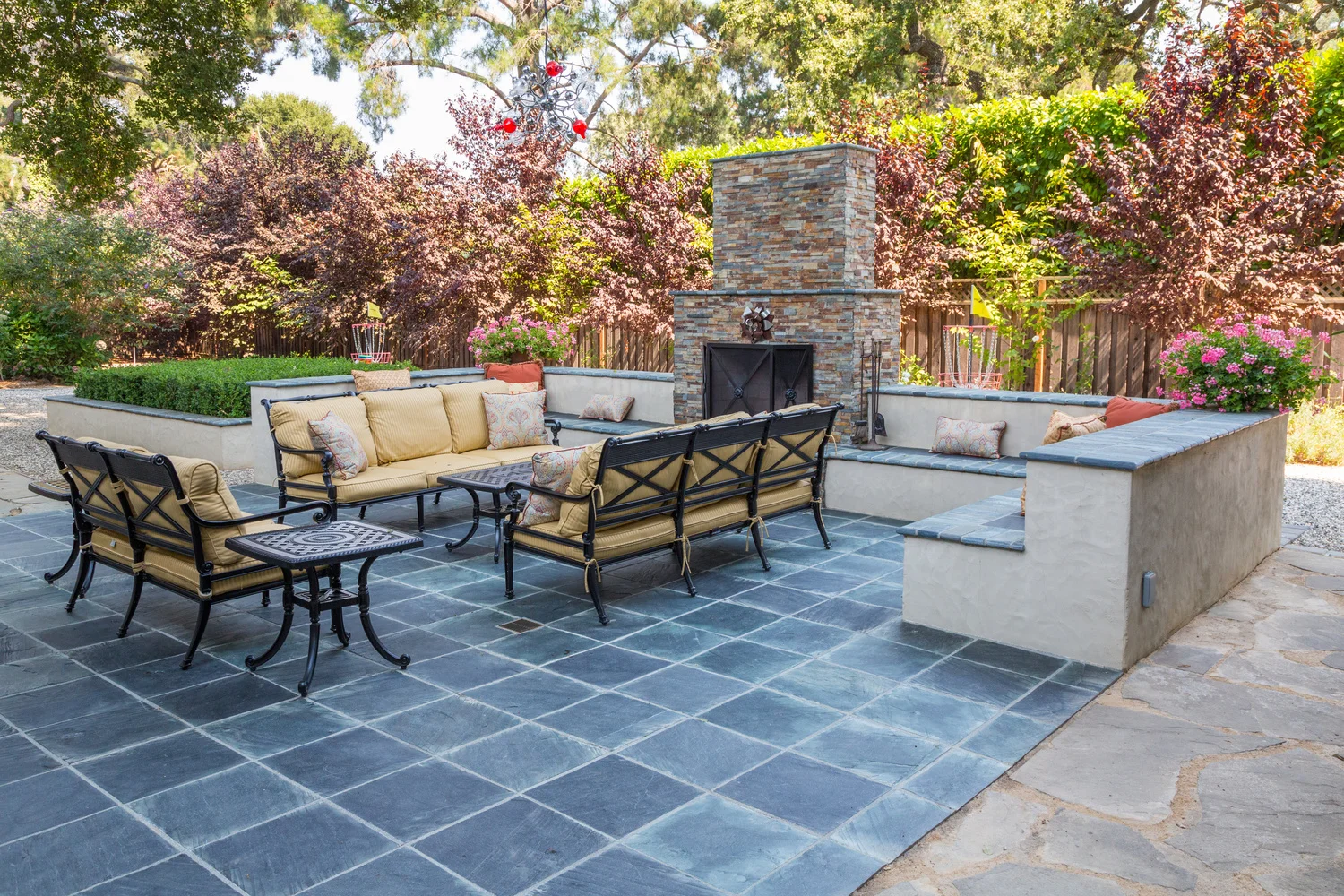
The decision to upgrade your exterior flooring is not merely a cosmetic endeavor. It is a highly calculated investment in the overall market value of your property. Modern real estate markets heavily favor homes that offer seamless, visually appealing transitions between indoor and outdoor living spaces. A beautifully tiled patio acts as a direct extension of your interior square footage. It provides a sophisticated area for al fresco dining, entertaining guests, and daily relaxation. However, finding the best outdoor tile over concrete is a complex process that demands a deep understanding of environmental stresses and material sciences. The outdoor environment is inherently hostile to traditional building materials. Exterior floors are subjected to extreme seasonal temperature fluctuations, direct and relentless ultraviolet radiation, pounding rainstorms, standing water, heavy snow loads, and constant foot traffic. Therefore, the materials you select and the exact methods utilized to install them must adhere to strict, highly technical industry standards. The transition from a basic concrete slab to a premium tiled surface is a rigorous exercise in chemistry, physics, and structural engineering.
To achieve a flawless finish that will endure for decades without requiring constant repairs, one must look far past the surface color, the trending patterns, or the initial price tag of the materials. True success in exterior hardscaping lies in understanding the complex relationship between the porous concrete substrate, the specialized polymer-modified adhesives required for the harsh environment, and the physical density of the tile itself. When executed correctly, a tiled concrete patio becomes a completely waterproof, frost-resistant, and UV-stable surface that requires minimal maintenance while providing maximum visual impact for the property. When executed poorly, it quickly becomes a costly disaster characterized by cracked grout lines, loose and hollow-sounding tiles, and severely compromised structural integrity. Homeowners must approach this project with the mindset of an engineer, prioritizing preparation and technical correctness above all other factors.
Comprehensive Substrate Preparation and Moisture Mitigation
The most unbreakable law in the professional tile industry is that your finished floor will only ever be as structurally sound as the substrate directly beneath it. Attempting to execute an outdoor tile installation over a poorly prepared, contaminated, or structurally compromised concrete slab guarantees a catastrophic failure within a very short timeframe. Before you even begin to consider tile samples, browse color palettes, or consult with designers, you must objectively evaluate, scientifically test, and meticulously prepare your concrete canvas.
A prevalent and dangerous misconception among homeowners is that concrete is a solid, impenetrable, and waterproof barrier. In reality, concrete is a highly porous material composed of a complex network of microscopic capillaries. It acts very much like a dense, heavy sponge, continuously absorbing subterranean moisture from the surrounding earth and releasing it upward into the air through a natural process known as moisture vapor transmission. If you bond dense, non-porous tiles directly to a concrete slab that is actively experiencing high moisture vapor transmission, that moisture becomes permanently trapped beneath the impenetrable tile layer. Over time, this trapped moisture builds immense hydrostatic pressure. This invisible pressure is incredibly powerful, easily capable of breaking the chemical bond of the hardened mortar, causing the tiles to delaminate, heave, and pop off the slab completely.
To prevent this invisible threat, a professional outdoor tile installation must absolutely begin with a rigorous moisture test. The industry standard is typically a calcium chloride test or an in-situ relative humidity test using specialized probes inserted into the concrete. If the moisture emission rate exceeds the strict limits specified by your chosen mortar manufacturer, a specialized moisture mitigation system must be applied before any other work begins. This mitigation process typically involves rolling on a highly engineered, two-part epoxy coating that deeply penetrates the surface of the concrete and permanently seals the microscopic capillaries. This creates a topical moisture barrier that stops the upward migration of moisture, protecting the sensitive thinset mortar above from hydraulic degradation.
Beyond invisible moisture management, the physical condition of the concrete surface must be addressed with extreme prejudice. Any microscopic or macroscopic contaminants resting on the concrete will act as bond breakers. Old layers of exterior paint, hardened barbecue grease, previous penetrating sealers, and deeply embedded organic dirt must be completely eradicated. Chemical strippers are almost never sufficient for this vital task, as they often leave behind an oily residue that further inhibits adhesion. The industry best practice dictates aggressive mechanical preparation. Utilizing a heavy-duty, walk-behind floor grinder equipped with coarse diamond tooling, the entire top layer of the concrete must be physically ground away. This dusty, labor-intensive process, known as scarification, exposes the clean, uncompromised, and highly porous matrix beneath. It creates the precise Concrete Surface Profile required for the new mortar to achieve a tenacious, locking mechanical grip.
Water management on the surface of the tile is the next critical phase of substrate preparation. A perfectly flat exterior patio is essentially a failed patio waiting to happen. According to the stringent guidelines set forth by the Tile Council of North America, exterior tiled surfaces must slope away from any adjacent structures at a minimum rate of one-quarter of an inch per linear foot. This precise, calculated pitch ensures that rainwater and melting snow shed rapidly off the surface rather than pooling in the center of the entertainment area. Pooled water degrades cementitious grout over time, creates severe and unexpected slip hazards, and provides a perfect breeding ground for slippery mold, mildew, and algae. If your current concrete slab is perfectly flat, or worse, slopes backward toward your home’s foundational walls, you must physically correct the grading. This is typically accomplished by applying an exterior-grade, polymer-modified sand and cement mortar bed. This mortar bed is carefully screeded to build the correct slope across the entire footprint of the patio before any waterproofing membranes or tiles are applied.
Finally, one must accept the fundamental reality that concrete is virtually guaranteed to crack as it cures and continually undergoes constant thermal expansion and contraction throughout the seasons. If a stress crack forms in the concrete slab directly beneath a rigid, unyielding tile, that structural stress will immediately transfer upward. This force will effortlessly crack the tile and shatter the grout above it, ruining the aesthetic and allowing water to penetrate the system. To prevent this telescoping damage, the application of a premium crack isolation membrane is absolutely mandatory. These advanced elastomeric membranes, which are available in liquid-applied buckets or peel-and-stick sheet formats, are designed to stretch, flex, and move. They essentially uncouple the rigid tile layer from the moving concrete substrate below. By absorbing the lateral movement of the concrete, these membranes ensure that the beautiful tiled surface above remains perfectly intact, regardless of what happens to the slab beneath it.
Material Science of the Best Outdoor Tile Over Concrete
Once the concrete substrate is bulletproof, perfectly leveled, properly sloped, and completely waterproofed, you can finally turn your attention to the materials that will form your finished walking surface. The specific tile you choose for an exterior application must possess very specific physical properties to survive the elements over the long term. It must be highly dense, completely frost-proof, resistant to ultraviolet fading, chemically resistant to pool chemicals and de-icing salts, and most importantly, it must feature a dynamic coefficient of friction that makes it demonstrably safe to walk on when soaking wet.
In the modern hardscaping and architectural design industry, porcelain is widely considered the undisputed champion of exterior flooring. Unlike traditional ceramic tiles, which are relatively soft, highly porous, and strictly meant for indoor use, exterior porcelain is manufactured using highly refined, purified clays. These specialized clays are pressed into massive molds under immense mechanical pressure and then fired in specialized industrial kilns at sustained temperatures exceeding 2200 degrees Fahrenheit. This intense, fiery manufacturing process results in a vitrified material that is incredibly dense, exceptionally hard, and practically indestructible under normal residential and commercial use.
While standard indoor porcelain is typically manufactured at a thickness of eight to ten millimeters, the industry has developed specialized twenty-millimeter thick porcelain pavers specifically engineered for heavy-duty outdoor use. Their most crucial technical attribute is their microscopic water absorption rate, which is strictly rated at less than 0.5 percent. Because these dense pavers absorb virtually zero moisture from the environment, they are completely impervious to the devastating freeze and thaw cycles that destroy lesser, more porous materials. Rainwater simply cannot penetrate the body of the tile, meaning there is nothing inside the material to freeze, expand, and cause the surface to spall, flake, or shatter when the temperature drops below freezing. Furthermore, incredible advancements in high-definition digital printing technology allow porcelain to flawlessly replicate the intricate, organic veining of natural Italian marble, the warm, distressed grain of reclaimed rustic hardwood, or the sleek, minimalist look of poured industrial concrete. This gives homeowners limitless, high-end design possibilities without the severe maintenance nightmares and regular sealing requirements associated with those natural materials.
For architectural purists who demand authentic, organic textures and are willing to invest the time in maintenance, natural stone remains a highly desirable option. However, natural stone requires significantly more upkeep and very careful selection based on your specific regional climate. Granite is one of the densest and hardest igneous rocks available on the planet. It is highly scratch-resistant, extremely durable, and holds up exceptionally well in harsh weather conditions. If you choose granite for an outdoor patio, a flamed or heavily brushed finish is absolutely mandatory, as it creates a rough, textured surface that provides excellent slip resistance even in a downpour. Slate is another classic, historically significant choice, famous for its rich, earthy color palette and distinctive natural cleft texture. It is highly durable but is slightly more porous than granite and must be sealed regularly with a premium penetrating sealer to protect it from organic stains like wet leaves, bird droppings, or spilled red wine.
Travertine, a beautiful sedimentary rock formed by natural mineral springs, is characterized by its pitted surface and warm, luxurious beige and ivory tones. It remains surprisingly cool to the touch even under direct summer sunlight, making it a massive favorite for pool decks in very hot, southern climates. However, in regions that experience harsh freezing temperatures, the natural voids and pits in travertine can trap rainwater and melting snow. When that trapped water freezes, the violent expansion causes severe structural damage to the stone, causing it to crack and crumble. Finally, traditional quarry tile remains a fantastic, time-tested option for certain architectural styles. Made from a raw mixture of natural clays and extruded into specific shapes before firing, quarry tiles are incredibly tough and resilient. They are unglazed, meaning their rich, earthy red or brown color runs through the entire body of the tile, and their naturally coarse texture provides superior slip resistance even in torrential rain or near swimming pools.
The Technical Architecture of Outdoor Tile Installation
A truly successful exterior tile installation relies on complex chemistry and strict procedural discipline just as much as it relies on physical labor. The forgiving rules and basic materials that govern interior bathroom tiling simply do not apply outside in the elements. Cutting corners on the installation adhesives, skipping necessary membranes, or using improper joint fillers will inevitably result in a patio that fails rapidly and requires complete replacement.
The specific adhesive you choose is of paramount importance to the structural integrity of the entire system. You can never use standard indoor mastic or cheap, pre-mixed bucket adhesives for an exterior project. You must utilize a premium, highly polymer-modified thinset mortar that strictly meets or exceeds the rigorous ANSI A118.15 standard. The heavy dose of powdered polymers mixed into these specific, high-end mortars provides two absolutely critical benefits for outdoor performance. First, the polymers drastically increase the raw bond strength, ensuring the dense, heavy porcelain or stone tiles adhere securely and permanently to the waterproofed concrete below. Second, they provide vital elasticity to the cured mortar bed. This elasticity allows the mortar to flex very slightly as the tile and the concrete substrate expand and contract at completely different rates under the baking hot summer sun and the freezing winter nights.
When it comes to spreading that highly modified mortar, the ultimate goal for the installer is achieving maximum possible coverage. For interior residential floors, the industry standard typically requires eighty percent mortar coverage on the back of the tile. For exterior installations, that requirement jumps to a strict, non-negotiable ninety-five percent coverage. Any hollow voids or empty pockets left beneath the tile will collect condensation and rainwater over time. When winter arrives, that trapped water freezes into solid ice, expands by roughly nine percent of its volume, and exerts massive hydraulic pressure that will easily pop the heavy tile completely off the patio surface.
To achieve this required ninety-five percent coverage, installers must use a specific trowel with large notches, typically a half-inch square notch or a specialized European slant-notch trowel, and apply the mortar to the concrete in perfectly straight, parallel ridges. Crucially, every single tile must be individually back-buttered before it is placed. This technique involves using the flat side of the steel trowel to forcefully burn a thin, even, flat layer of mortar directly into the back of the tile. The back-buttered tile is then placed into the ridged mortar bed on the ground and firmly shifted back and forth perpendicular to the ridges. This aggressive shifting action collapses the ridges entirely, evacuating all trapped air and creating a solid, monolithic, void-free bond between the back of the tile and the concrete substrate.
One of the most frequently overlooked and misunderstood aspects of exterior hardscaping is the undeniable physics of thermal expansion. When hard tiles bake in the direct sun all day, especially dark-colored tiles, they absorb immense amounts of solar radiation and physically expand in size. If a large, expansive patio is tiled tightly from edge to edge without giving the materials any room to move, the expanding tiles will forcefully push against each other until they hit a rigid barrier. Having nowhere else to go, they will buckle, tenting upward and shattering in a violent and dramatic failure.
To combat this physical inevitability, strict movement joints must be integrated into the design. Soft, highly flexible movement joints must be placed at all perimeters, anywhere the tile meets a rigid structure like the foundation of your house, a brick retaining wall, or a swimming pool coping. Furthermore, movement joints must be meticulously placed within the main field of the tile every eight to twelve feet in all directions. These specific expansion gaps must never be filled with hard, unforgiving cementitious grout. Instead, they must be filled with a highly flexible, exterior-grade sealant, such as a one hundred percent silicone or a specialized polyurethane sealant, intricately color-matched to your grout to blend in seamlessly.
The final stage of the installation involves grouting and sealing, which are critical for long-term preservation. Once the polymer-modified thinset mortar has fully cured, which can take anywhere from twenty-four to seventy-two hours depending on ambient humidity and temperature, the joints can be filled. For outdoor applications, standard indoor wall grout is entirely insufficient. You should opt for a high-performance, polymer-fortified cementitious grout designed specifically for heavy-duty exterior use. For the absolute highest level of stain resistance, chemical resistance, and permanent color consistency, an advanced epoxy grout is the premium choice. Epoxy grout is completely non-porous and never requires sealing, making it incredibly resilient against barbecue grease and spilled wine, though it is significantly more difficult to install and requires a meticulous clean-up process during application. If you opt for a traditional cementitious grout or natural stone tiles, sealing is a non-negotiable final step. You must apply a high-quality, breathable penetrating sealer that soaks deep into the capillaries of the material, causing water and oil to bead up on the surface rather than soaking in and causing permanent discoloration.
Navigating the Market for Professional Installation Experts
Given the intense physical labor, the highly complex chemistry of the modified mortars and elastomeric membranes, and the strict adherence to rigid industry guidelines required for success, a large-scale exterior patio is rarely a suitable project for a weekend hobbyist or an inexperienced handyman. The financial risk of a failed installation is simply too massive to ignore. If the slope is graded incorrectly, if the critical mortar coverage falls short of the ninety-five percent rule, or if the essential movement joints are carelessly omitted, the entire patio will likely have to be aggressively demolished down to the bare concrete and completely redone from scratch at a staggering financial cost.
When searching the internet for tile installers near me, you must conduct thorough, rigorous interviews and carefully vet their specific, demonstrable experience with exterior environments. Do not make the costly assumption that an installer who does beautiful, intricate interior bathroom remodels possesses the technical engineering knowledge required for heavy-duty exterior hardscaping. You must ask them highly specific, technical questions to gauge their true expertise. Ask them what specific ANSI standard thinset they plan to use for your specific climate. Ask them how they intend to scientifically test and handle the moisture vapor transmission of your concrete slab. Ask them to clearly explain their layout strategy for the mandatory thermal movement joints. A qualified, high-end professional will answer these technical questions confidently, with specific product names and industry standards, and will genuinely appreciate that you understand the intricacies and the science of their trade.
Furthermore, hyper-local climate knowledge is absolutely invaluable and should heavily dictate your hiring decisions. If you live in a region that experiences extreme, punishing weather, you need a contractor who intuitively understands the specific, localized environmental stresses of your geographic area. For example, hiring a specialized tile contractor in Denver ensures that the professional building your patio understands the brutal reality of high-altitude ultraviolet radiation and the violent, rapid freeze-and-thaw cycles that characterize the challenging Colorado winters. A local expert will know exactly which crack isolation membranes perform best when the temperature suddenly drops forty degrees in a single afternoon, and they will know which specific twenty-millimeter porcelain lines have proven themselves time and again to survive heavy, sustained snow loads without cracking or buckling under the immense weight.
Conversely, a contractor in a humid, coastal, oceanfront region will have completely different specialized knowledge. They will excel in mitigating salt attack from ocean spray, handling extreme humidity during the curing process, and managing intense, year-round moisture vapor issues. Local experience translates directly to long-term structural longevity. Transforming a utilitarian, gray concrete slab into a breathtaking, resort-quality tiled terrace is a massive structural undertaking and a significant financial investment in your property’s overall market value and your family’s daily quality of life. By fully understanding the rigorous mechanical preparation required, selecting incredibly dense and durable materials perfectly tailored to your climate, and trusting the complex execution to heavily vetted professionals who respect the strict science of the trade, you ensure that your new outdoor living space will remain a stunning, structural masterpiece for decades to come. The effort spent in the planning and vetting phases will pay incredible dividends every single time you step outside to enjoy your perfectly engineered outdoor sanctuary.